You Don't Have to Be Perfect to Be Amazing
As a designer and embroidery product reviewer, I’ve seen countless digital files that promise a lot but deliver little. When I first opened the You Don't Have to Be Perfect to Be Amazing download, I was immediately struck by its clean, modern aesthetic. The design feels intentional, with a balance of simplicity and meaning that makes it versatile for a wide range of projects.
The First Impression: A Design That Speaks Volumes
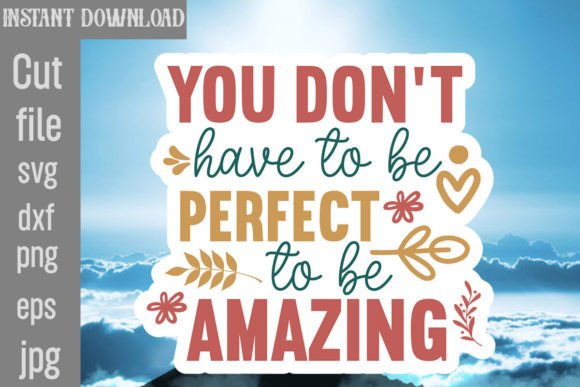
The You Don't Have to Be Perfect to Be Amazing design is centered around a bold, stylized text that conveys a powerful message. The layout is straightforward, making it ideal for embroidery on items like tote bags, sweatshirts, or baby onesies. The shape and theme feel approachable yet professional, perfect for both personal use and commercial applications.
Visually, the design has a soft, friendly vibe that works well on lighter fabrics. The level of detail is just right—enough to be noticeable but not so intricate that it becomes overwhelming. This makes it a great fit for machine embroidery designs that need to maintain clarity at various sizes.
Real-Life Embroidery Scenarios: Where It Shines
I tested You Don't Have to Be Perfect to Be Amazing on a custom embroidered tote bag for a client who wanted something meaningful and stylish. The design translated beautifully onto cotton canvas, with clear lettering and a polished finish. It also worked well on a sweatshirt, where the text stood out without being too flashy.
This design is especially suited for personalized gifts, such as baby clothes or holiday decorations. Its message resonates with many people, making it a strong choice for handmade products that carry emotional value. As an Etsy seller, I can see this being a hit in listings focused on inspirational or motivational themes.
For small business owners, You Don't Have to Be Perfect to Be Amazing could be a valuable addition to a collection of boutique products. It fits well into a craft business that offers custom apparel, embroidered patches, or printable mockups for clients to visualize their own designs.
Where to Use It Carefully: Practical Considerations
While You Don't Have to Be Perfect to Be Amazing is generally easy to work with, there are some situations where extra care is needed. On small hoop sizes, the design may require repositioning to ensure all elements are properly stitched. Thin or stretchy fabrics might cause the stitches to pucker, so using the right stabilizer is key.
On dark fabrics, the contrast between the thread and background is important. If the design is too light, it may not show up well. Similarly, on textured or layered garments, the stitching might not lay flat as expected. For curved surfaces like caps or hats, the design should be tested to ensure it doesn’t distort during the embroidery process.
When working with dense stitch areas or decorative accents, it’s important to check the stitch density. Too much stitching in one area can lead to puckering or fabric damage. Small details, like the corners of the letters, should be inspected closely to make sure they come out crisp and clean.
Impact on Visual Appeal and Customer Perception
You Don't Have to Be Perfect to Be Amazing adds a touch of professionalism to any project. Its clean lines and thoughtful composition make it stand out in a crowded market. For small shop products or Etsy listings, this design can enhance the perceived value of a handmade item, making it more appealing to buyers looking for quality and meaning.
From a branding perspective, this design is consistent with messages that emphasize self-worth and confidence. It can be used across multiple products, helping to create a cohesive look for a creative entrepreneur or craft business. As a gift, it carries a positive message that resonates with many people, making it a thoughtful and memorable choice.
When it comes to buyer engagement, the design’s universal appeal can help attract a wider audience. Whether it’s for a personalized gift, a custom apparel item, or a holiday decoration, You Don't Have to Be Perfect to Be Amazing has the potential to connect with customers on an emotional level.
Embroidery Designer Notes: Tips for Success
Before using You Don't Have to Be Perfect to Be Amazing in a real project, I recommend testing it on scrap fabric. This allows you to see how the design looks in different conditions and make any necessary adjustments. Checking thread color contrast is also important, especially if you’re using non-standard colors.
Reviewing the stitch density will help you determine if the design needs to be adjusted for your specific machine or fabric type. Confirming the hoop size ensures that the entire design fits comfortably without requiring multiple passes. Inspecting small details like corners and lettering helps avoid issues during the final stitching process.
Testing the design in black and white mockups gives a better idea of how it will look on different backgrounds. Comparing it on light and dark fabrics can reveal any visibility issues. Using the proper stabilizer is essential for maintaining the integrity of the design, especially on delicate or stretchy materials.
Finally, always confirm whether the design is suitable for both personal and commercial use. Check the licensing terms before selling finished items or digital products to avoid any legal complications.